
The “Music Industry Illuminati” conspiracy theory suggests that prominent figures in the music world such as Beyoncé, Jay-Z, and Rihanna attribute their success to a clandestine society. Proponents argue that music videos and performances contain hidden symbols as evidence of this connection. This narrative reinterprets the 18th-century myth of the Bavarian Illuminati into a contemporary tale of celebrity, wealth, and purported Faustian deals. But is there any substance behind the claims that the music charts are manipulated from the shadows?
This guide meticulously dissects the theory. We will analyze the supposed evidence, trace its historical origins, and consider why this narrative resonates so strongly in an era defined by viral fame and digital exploration.
The “Evidence”: Symbols, Rituals, and Alleged Confessions
Advocates of this theory often assume the role of detectives, assembling a case from a shared set of clues they believe are visible to all. Their “evidence” revolves around several recurring themes.
1. Symbolic Imagery in Music and Videos
Popular culture is rich with powerful symbols, which theorists interpret as intentional messages.
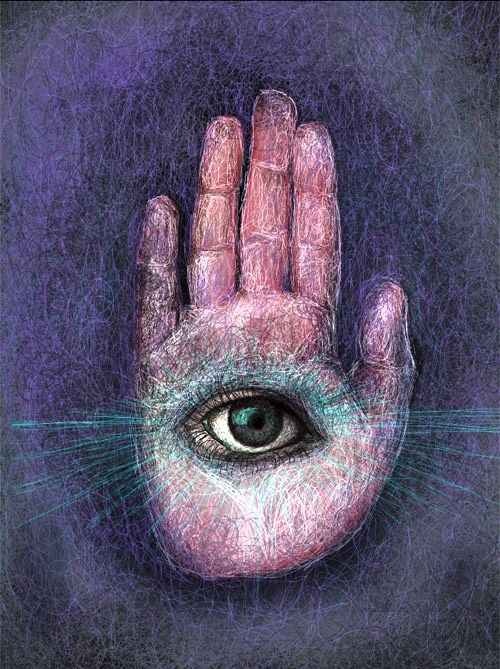
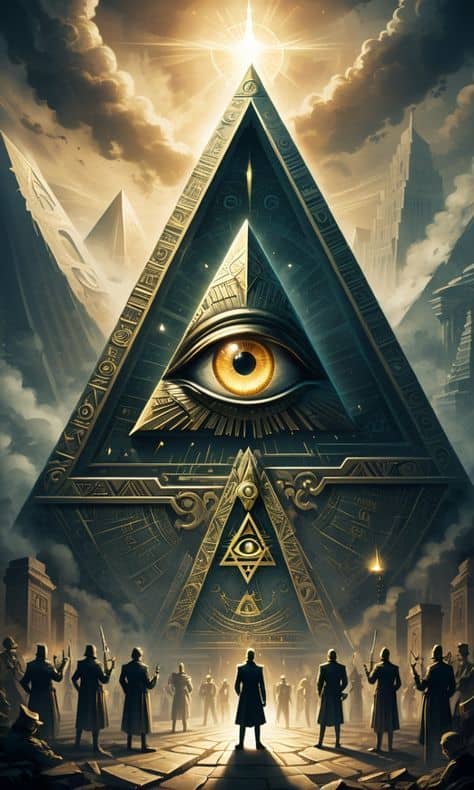
The All-Seeing Eye and Pyramids From the stage design of Beyoncé’s Formation World Tour to the artwork for Jay-Z’s Magna Carta Holy Grail, triangular and pyramid motifs are interpreted as direct signals from the Illuminati. The “eye” symbol, representing surveillance and control, is scrutinized in every flicker of a music video.
Occult and Religious References Songs and visuals that incorporate religious or occult imagery for dramatic impact are often taken literally. Madonna’s use of Catholic iconography or Lil Nas X’s Satanic imagery in “MONTERO (Call Me By Your Name)” are perceived not merely as artistic choices but as indications of secret allegiances.
2. Hand Signs and Gestures
This is one of the most frequently cited forms of “evidence.” Jay-Z’s signature Roc-A-Fella diamond hand sign is arguably the most recognized example, frequently highlighted as an Illuminati symbol. Similarly, gestures such as covering one eye in photographs a pose popularized by celebrities from Katy Perry to Kanye West are interpreted as indicators of membership.
3. Lyrical “Confessions” and Branding
Theories often point to song lyrics as veiled admissions. Lines like Jay-Z’s “I’m like the Illuminati / All this money, how can I be Satan?” from “Heaven” are carefully analyzed. Even brand names are subjected to scrutiny; Jay-Z’s Roc Nation label and its triangle logo are viewed as overt integrations of the symbol into the business itself.
From History to Hype: The Origins of the Myth
To fully understand the music industry theory, one must first grasp the original story it appropriated.
The actual Bavarian Illuminati was established in 1776 by Adam Weishaupt, a professor who sought to promote Enlightenment ideals such as reason and secularism in opposition to religious and political oppression. It operated as a secret society with a hierarchical structure and rituals, but was disbanded by authorities by 1787, existing for just over a decade.
The transition from this obscure historical group to a contemporary entertainment cabal is a product of cultural storytelling. In the late 20th century, works like The Illuminatus! Trilogy blended fact and fiction, reimagining the Illuminati as an omnipotent puppet master. This concept flourished in the digital age, where fragmented clues from celebrities could be compiled into a seemingly convincing “case.”
The music industry, characterized by sudden fame, vast wealth, and striking imagery, served as the ideal modern setting for this ancient conspiracy narrative.
The “Why” Psychology and Power in the Spotlight
The persistence of this theory is not rooted in its evidence but in the profound human needs it satisfies.
1. Explaining Extraordinary Success
The transition from obscurity to global superstardom can appear magical or unjust. The notion of a “selling your soul” narrative offers a straightforward, dramatic explanation: success is not solely a product of talent and hard work; it involves a transaction with a hidden power. This perspective makes the chaotic, competitive nature of fame more palatable.
2. Creating a Secret Narrative
Discovering hidden symbols provides believers with a sense of “insider knowledge.” It transforms passive listening into an active detective pursuit, fostering a community of those “in the know” against the oblivious public. This decoding process is engaging and renders the world of celebrity more controllable and comprehensible.
3. A Vehicle for Cultural Criticism
Frequently, this theory serves as a means to voice discomfort with the content and influence of mainstream pop music. Classifying artists as part of a sinister cult allows for a moral critique of their music, videos, and the perceived messages directed at younger audiences.
Conclusion Art, Archetype, or Agenda?
Does a Music Industry Illuminati truly control the charts? All verifiable history and evidence affirm that it does not.
The symbols identified are archetypes timeless, powerful images that artists employ to convey mystery, authority, and rebellion. The hand signs often represent personal logos or stylistic expressions. The “confessions” found in lyrics are typically instances of bravado or artistic metaphor.
The underlying force of this theory is pattern recognition our brain’s inclination to connect disparate elements and perceive intentional design, even where none exists. Celebrities and their teams are also skilled at leveraging mystery and controversy as marketing strategies, sometimes knowingly “feeding the beast” because such engagement maintains their relevance.
Ultimately, the quest for the Illuminati in pop music reveals less about secret societies and more about our own intrigue with power, our longing for narratives that explain extreme success, and the enduring allure of a captivating mystery behind the glitz and glamour.