
Explore the real history of the Illuminati from its Bavarian origins to today’s conspiracy theories. A balanced, research‑based look at symbols, myths, and cultural impact.
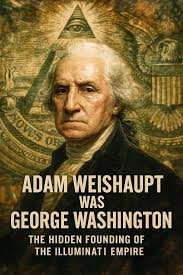
The Illuminati: From 1776 Bavaria to Modern Pop Culture
Few secret societies have captured the public imagination like the Illuminati. From YouTube rabbit holes to blockbuster lyrics, the name conjures images of shadowy figures controlling world events. But how much of what we “know” is fact, and how much is fiction?
In this deep dive, we separate historical records from modern myth. You’ll discover the true origins of the order, how it became the centerpiece of global conspiracy theories, and why it remains a powerful symbol in entertainment and politics today.
- The Birth of the Illuminati: 1776 Bavaria
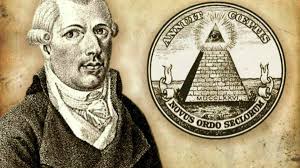
The Illuminati wasn’t born in a Hollywood writer’s room it was founded on May 1, 1776, in Ingolstadt, Bavaria (modern‑day Germany). A university professor named Adam Weishaupt created the Bavarian Illuminati as a secret society that opposed religious influence over public life and promoted Enlightenment ideals like reason, secularism, and individual liberty.
Weishaupt, a former Jesuit, modeled the group after Freemasonry, using hierarchical ranks and secret rituals. The order attracted intellectuals, nobles, and progressive thinkers, growing to around 2,000 members over a decade.
Key facts:
· Full name: Order of the Illuminati (Illuminatenorden)
· Goal: to spread rational thinking and reduce the power of monarchy and church
· End: In 1785, the Bavarian government banned all secret societies, and the order dissolved.
Despite its short existence, the Illuminati planted seeds that would later bloom into the world’s most famous conspiracy theory.
- How a Small Secret Society Became the “New World Order”
The Illuminati’s transition from historical footnote to global shadow government began in the late 18th century. After the French Revolution (1789–1799), royalist and religious critics blamed secret societies including the Illuminati for destabilizing Europe.
Two key texts fueled the myth:
· John Robison’s Proofs of a Conspiracy (1797) A Scottish physicist argued that the Illuminati had infiltrated Freemasonry to orchestrate revolution across Europe.
· Abbé Barruel’s Memoirs Illustrating the History of Jacobinism (1797) A French Jesuit priest claimed the Illuminati were behind the French Revolution.
These books were translated widely and created the template for modern conspiracy thinking: a small cabal secretly manipulating governments, media, and finance.
The term “New World Order” (often linked to the Illuminati) gained new life after President George H.W. Bush used it in a 1991 speech about post‑Cold War cooperation. To believers, it was a code confirmation that the plot was still alive.
- Symbols and Their Meanings
Part of the Illuminati’s enduring appeal lies in its visual iconography. Even people who know little about the history recognize certain symbols as “Illuminati.”
Symbol Common Interpretation Historical Context
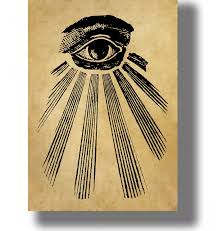
All‑Seeing Eye The “Eye of Providence” watching humanity Appears on the US $1 bill; originally a Christian symbol (God’s eye), later co‑opted by conspiracy theorists
Pyramid Hierarchical power structure Also on the $1 bill; linked to Egyptian symbolism, not Illuminati history
Owl of Minerva Wisdom and knowledge Used by the Bavarian Illuminati as a symbol of the goddess of wisdom
Number 13 13 steps, 13 families Often cherry‑picked from currency or architecture as “proof” of control
Most symbols now associated with the Illuminati were either borrowed from older traditions or coincidentally appear in government architecture. Yet their mystery fuels endless speculation online.
- Pop Culture’s Obsession with the Illuminati
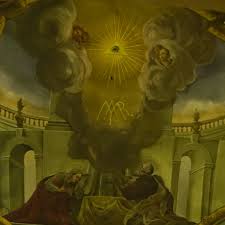
The 21st century saw the Illuminati shift from political conspiracy to pop‑culture shorthand for elite influence. Music, film, and fashion have all embraced and sometimes mocked the imagery.
In Music
· Jay‑Z, Beyoncé, Kanye West, and others have been repeatedly accused of using Illuminati symbolism in videos and album covers.
· Roc Nation logo the “R” inside a pyramid drew immediate speculation.
· Lyrics often reference “ruling the world” or “secret societies,” blurring the line between artistic metaphor and intentional signaling.
In Film & TV
· The Da Vinci Code (2006) while focusing on the Priory of Sion, it cemented the idea of hidden orders protecting ancient secrets.
· Eyes Wide Shut (1999) Kubrick’s portrayal of elite masked rituals is often cited as a “real” depiction of Illuminati gatherings.
· The Simpsons repeatedly jokes about the Illuminati, helping normalize the concept for mainstream audiences.
In Fashion & Branding
· Pyramid and eye motifs appear in high‑fashion advertising (Givenchy, Balenciaga), sometimes intentionally courting conspiracy buzz for marketing edge.
- The Psychology Behind the Belief
Why do people continue to believe in a secret organization that dissolved over 200 years ago?
Psychological research points to several factors:
· Pattern recognition humans are wired to see meaningful patterns, even where none exist.
· Need for control in uncertain times, believing in a hidden hand provides a sense of order.
· Social identity belonging to a group that “knows the truth” creates strong community bonds.
· Distrust of institutions when trust in government and media erodes, alternative explanations gain appeal.
Understanding these drivers helps explain why the Illuminati narrative persists, even as historians debunk its modern form.
- Fact vs. Fiction: What We Actually Know
Let’s separate common claims from historical reality.
Claim Reality
The Illuminati still exists and controls world events No credible evidence. The Bavarian order disbanded in 1785. Modern groups using the name are copycats.
The US dollar bill proves Illuminati control The Eye of Providence was designed in 1782, before Illuminati conspiracy theories emerged.
Celebrities are forced to join No documented cases. Accusations are based on artistic imagery and marketing.
The Illuminati is a branch of Freemasonry They borrowed Masonic structures but were a separate, short‑lived organization.
Historians agree: the modern Illuminati is a meme a cultural construct far more powerful than the original society ever was.
- Why the Illuminati Still Matters
Even as a debunked theory, the Illuminati concept remains influential.
· Political discourse politicians and activists use “Illuminati” as shorthand for elite corruption.
· Entertainment it provides a rich visual language for albums, movies, and art.
· Critical thinking studying the Illuminati myth teaches media literacy and how misinformation spreads.
For content creators, it offers a fascinating case study in how a small historical footnote can evolve into a global narrative.
- Further Reading & Resources
If you’d like to explore the topic deeper, start with these credible sources:
· The Secret School of Wisdom: The Authentic Rituals of the Illuminati – Josef Wäges & Reinhard Markner
· The Illuminati: The Counter‑Conspiracy Terry Melanson
· Academic papers search “Bavarian Illuminati” on JSTOR for peer‑reviewed history
· Library of Congress primary documents on the 1785 ban of secret societies
Frequently Asked Questions
Is the Illuminati real?
Yes The historical Bavarian Illuminati existed from 1776 to 1785. The modern global conspiracy version with alot of evidence.
What does the all‑seeing eye mean?
It originally represented God’s omniscience. Today it’s often misattributed as an Illuminati symbol.
Are celebrities part of the Illuminati?
yes there are many proof . but Many artists use the imagery as satire or branding.
How did the Illuminati become famous?
Post‑French Revolution propaganda books, and later 20th‑century conspiracy literature (like The Protocols of Zion and Robert Anton Wilson’s Illuminatus! trilogy), kept the idea alive.
Final Thoughts
The Illuminati story is a mirror it reflects our anxieties about power, our fascination with the hidden, and our desire for simple explanations in a complex world. Whether you’re a skeptic, a pop‑culture enthusiast, or a researcher, the history of this secret society offers valuable lessons about how ideas evolve and how we shape meaning.
Ready to Explore More?
Check out these related articles:
· Adam Weishaupt: The Real Founder of the Illuminati
· Symbols Decoded: The All‑Seeing Eye in History and Pop Culture
· Why Conspiracy Theories Thrive A Psychological Perspective