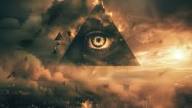
Envision a world where every event is intentional. In this realm, wars, wealth, fame, and influence are not mere happenstances but strategically placed elements on a grand cosmic chessboard. This is the world conjured by the mere mention of one word: the Illuminati.
For centuries, the Illuminati has existed not as a singular entity, but as an idea a representation of concealed knowledge, elite power, and clandestine influence. It permeates the shadows of history, conspiracy theories, music videos, novels, and the collective imagination of countless individuals who ponder: Who truly governs our world?
Our narrative begins in 1776 Bavaria, where a genuine yet short-lived secret society known as the Bavarian Illuminati was established by Adam Weishaupt. Its original aim was not domination but enlightenment advocating reason, science, and freedom of thought during an era dominated by monarchy and ecclesiastical authority. Ultimately, the group was banned, disbanded, and faded from historical records.
However, legends possess a remarkable resilience.
Over time, the Illuminati evolved from a historical anecdote into a contemporary myth. It became a symbol employed to rationalize the unexplainable: extraordinary wealth, rapid fame, political power, and cultural influence. In films, literature, and online discourse, the Illuminati transformed into a secret global elite faceless, omnipresent, and all-powerful.
Why does this myth endure?
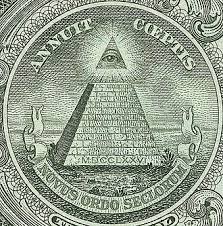
The notion of hidden control offers comfort. It suggests an underlying order amidst the chaos. It implies that success is not arbitrary, failure is not futile, and the world follows a concealed script known only to a select few. In periods of uncertainty, individuals instinctively seek unseen architects behind global phenomena.
Pop culture has amplified this intrigue. From bestselling novels to viral videos, the Illuminati has become synonymous with symbols the all-seeing eye, pyramids, owls, and enigmatic rituals. Celebrities have been labeled as “members,” and artists accused of “selling their souls.” Success itself has become a subject of suspicion.
Yet, here lies the educational truth: symbols do not equate to power, and myths do not represent reality.
The modern concept of the “Illuminati” serves as a reflective mirror. It encapsulates humanity’s most profound desires wealth, recognition, security, and purpose. Simultaneously, it reflects our apprehensions: loss of control, inequality, and the invisible systems that shape our existence.
The allure resides not in clandestine meetings or ancient rites, but in the psychology of belief. Individuals are drawn to narratives that promise significance, belonging, and purpose. The notion of being “chosen” or “initiated” resonates deeply tapping into a primal desire to matter.
This is why Illuminati myths often promise everything at once: wealth, fame, protection, and power. Not because such rewards are secretly bestowed, but because they symbolize what many feel excluded from in their daily lives. The myth becomes a shortcut fantasy to success in a world that appears rigged.
In truth, power operates in plain sight. Governments publish laws. Corporations submit reports. Wealth accumulates through intricate systems not through magic. There is no ancient council pulling strings behind the curtain. Instead, we find economic frameworks, political influence, social networks, and human ambition.
Understanding the Illuminati myth is invaluable as it fosters critical thinking. It encourages us to question sources, scrutinize claims, and recognize how easily symbolism and mystery can manipulate emotions. When something promises everything yet explains nothing, skepticism becomes a form of wisdom.
Yet, the legend persists not because it is factual, but because it captivates.
The concept of the Illuminati will endure as long as people dream of hidden pathways, secret knowledge, and lives beyond ordinary constraints. It flourishes in imagination, fiction, and storytelling not in verifiable reality.
And perhaps that is its rightful place.
Not as a force governing the world, but as a cultural myth that reminds us of the power of narratives and the responsibility to distinguish fascination from fact.
True illumination lies in knowledge, not secrecy.